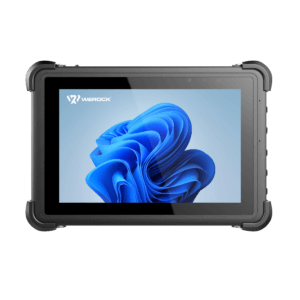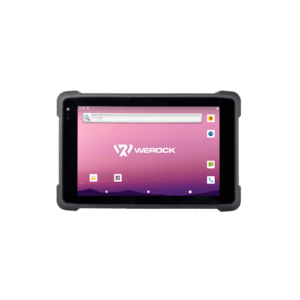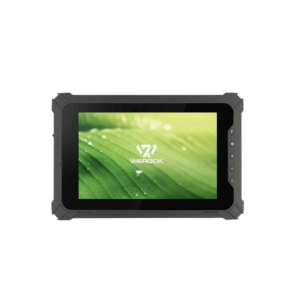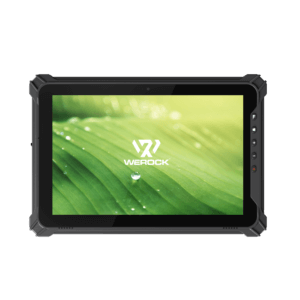
Perfect Solution: Sun-Readable Tablet Screens For Field Service Workers

Posted on by Lane Jesseph Posted in Connectivity, Mobility Strategy, Tablet Adoption


adoption mobility strategy 2 connectivity

You’re all excited about giving your field service employees new tablet devices. The apps are in place to connect your mobile workers to your CRM and other backend systems, so they can provide better service, reduce errors, and submit invoices more efficiently. Everyone loves their new tablets…It’s going to be great!

Then you start getting complaints from the field, and realize you forgot a simple feature that can dramatically impact how your employees engage with essential corporate information: The sun-readable screen.

Unfortunately, sun-readable screens aren’t yet standard on all tablets. And yet, they’re essential for anyone who performs activities outside. This can include social service workers, auto glass repair technicians, pest control specialists, utility company employees, real estate appraisers, and a host of other field service workers.

If these people can’t see what they’re doing when they’re using their tablets, the strongest and most secure connections to email, GPS, customer relationship management (CRM) systems, and other data are basically rendered useless.

When choosing tablets for your field service workers, narrow your search to those that offer sun-readable screens, like the Lenovo ThinkPad X220t. And physically test them in direct sunlight to see which one works best. Here’s what to look for and ask about as you explore your options:

  • Brightness or Luminance: The brain responds more positively to brightly illuminated objects, and the same is true for tablet displays. Brighter sunlight-readable screens look great in strong sunlight and even better inside.
  • Contrast Ratio: The more contrast between light and dark colors, the sharper and crisper the image. Surface reflection, or glare, reduces contrast, so you need a tablet with as high a contrast ratio as possible.
  • Transflective Screens: Regular transmissive screens are very difficult to read when ambient light is strong. Transflective screens, on the other hand, take advantage of ambient light and use it as an additional illumination source, without draining your battery or generating excessive heat.
  • Optical Bonding: Glass can be treated with anti-reflective and/or anti-glare coatings to improve readability. Anti-reflective solutions eliminate reflective space between layers of glass and air, and increase contrast. They can also help protect your devices by preventing moisture and dust from seeping in, and by offering extra shock absorption. Anti-glare solutions diffuse ambient light with a microscopically textured finish, and can soften the reflected image of the sun in the viewing area.

Your field service workers need to connect with people and information to do their jobs effectively, and sun-readable screens make it easier to do so. So make sure you have the right sun-readable features on the tablets you deploy in the field. If you’ve had problems viewing tablets outside, or if you have opinions about the different sun-readable screens available, please let us know about them.

Add a Comment