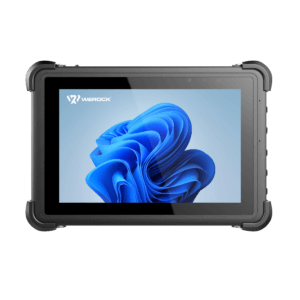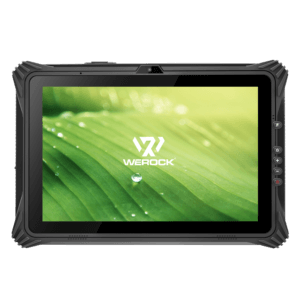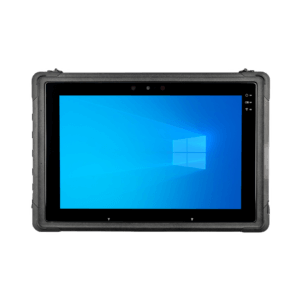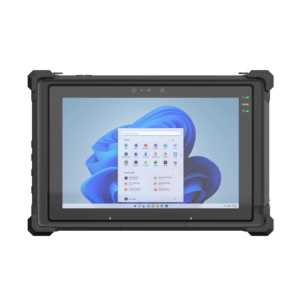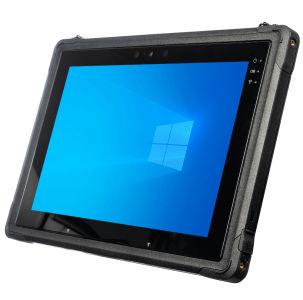
Enterprise organizations are on high alert for the upcoming release of tablets powered by the Windows 8 operating system. It seems like Microsoft may finally realize the vision for tablet PCs that it first championed back in 2002, and it’s likely that the new devices will be put into heavy rotation in business environments worldwide.
In a February 17, 2012 Business Insider article, author Matt Rosoff explains why former Microsoft developer Hal Berenson believes that Windows 8 tablets will do better in enterprises than the iPad, which of course relies on the Apple iOS. He summarizes Berenson’s good arguments as follows:
- More control and easier management. “The VP of IT Operations will look out upon the available tablet options and his organization’s capabilities for managing them. He will look at how well they can enforce corporate policies, prevent data loss, centrally control the remote tablets, tie these systems into their corporate identity systems, and meet audit and monitoring requirements. He will conclude they can do an OK job for iPads and a great job for Windows 8 tablets…Bad operations can put a company on the front page of The Wall Street Journal and the CEO in front of a jury. They will prefer Windows 8 tablets, perhaps overwhelmingly.”
- Stronger security features. “Your CISO (Chief Information Security Officer) will look at Windows 8 and drool. They will see things like Secure Boot, the use of Reputation when deciding what applications to allow to run, the smoother, more transparent patching process, and other basic security improvements and wish they could immediately force the company to upgrade its entire base of PCs. Then he’ll look at the Metro environment and how it solves their problem of keeping unsafe applications off of PCs…He’ll also establish policies that favor Windows 8 tablets over iPads…”
- Cheaper hardware. “The purchasing department will look over the tablet landscape and the business unit requirements and try to find the lowest priced tablet that meets those requirements. Those tablets will have configurations that work great for Metro apps, but are taxed by heavy use of desktop applications.”
Lenovo and Samsung have already introduced exciting Windows 8 tablet prototypes, and word is out that HP, Dell, Nokia and Asus will be joining the fray in the months ahead.
Potentially game-changing features of Windows 8 tablets are expected to include the following:
- The new, touch-optimized Metro interface
- A “Snap” feature that lets you view two applications at once: One app gets about two-thirds of the screen, while the snapped app shrinks to 320px, or the width of many phone layouts
- A hopefully high level of Microsoft Office compatibility
- The ability to dock the devices and use the desktop version of the OS
- The ability to access all your content from the cloud on any device using your Windows ID
- The ability to beam content between Windows 8 and Windows Phone 8 devices
Of course, there’ll also be challenges. The Snap feature, for example, requires the less common resolution of 1366 x 788 in order to work properly, resulting in a slightly unusual device shape.
Analysts are also expecting some confusion between devices that run on ARM processors and those that run on x86 processors from Intel and AMD. The x86 versions of Windows 8 will feature a Windows 7 compatibility mode, while the ARM versions won’t.
And there’s always the issue of price. If Windows 8 tablets are too expensive, won’t people just stick with a less expensive laptop that gives them broader functionality?
Time will tell how it all plays out, and we’ll be monitoring it all here at Tablets At Work. In the meantime, let us know your impressions and expectations of the Windows 8 tablets that are headed our way.
This buyer's guide is designed to help decision-makers understand the features and functions that a new breed of business-oriented tablets is bringing to the mobile workforce. Use this guide to determine what features are most important for your organization, so you can balance end-user needs with IT requirements for successful mobility deployment.


This is a great point, and it appears that Microsoft is starting to push down that path. While their new campaign highlights Windows 7, I imagine windows 8 can easily be substituted.
http://www.microsoft.com/business/click/windowsdevicesatwork/