Windows 8 vs ICS vs iOS – Should You Wait for Windows 8?

Posted on by Kevin Beck Posted in Android, Blog, Windows 8


windows 8 blog android 2

One of the hotter topics of the past few years in IT has been the debate about the relative virtues of the Android operating system (currently on version 4, code named Ice Cream Sandwich, hereafter referred to as ICS) versus the Apple operating system (iOS) for corporate use on tablets, and to a lesser extent, phones. My thoughts here are confined to the discussion around tablet operating systems (OS), not phones.

The progress that both operating systems have made toward becoming more easily manageable by corporate IT is interesting, and mostly well documented in many articles.

Personally, my view is that both currently have their place. With the release of iOS5, Apple has taken the lead in the tablet market when it comes to support for and usability of Microsoft Exchange mail and calendaring.

That said, I find Android’s handling of multiple email accounts better and prefer its ability to work with file attachments (hey, I like having direct access to the file system). Also, Android/ICS’ ability to fully customize desktop screens and use re-sizable widgets on the desktop (for weather, calendar, stocks, Twitter, etc.) is compelling for me.

There are a couple of classic complaints about iOS, the first being the lack of native Flash support, which in my opinion, matters less and less. As an Android user, I do like having Flash work when I need it.

The second complaint is about the proprietary App Store distribution model. This model has forced companies to find ways to support their needs for home-grown (or custom developed) apps in different ways, and by and large, they are finding ways to do so. One word of caution, though, is that “custom developed” doesn’t always mean “easier to use.” Some businesses found out the hard way that building and rolling out their own apps didn’t make life easier.

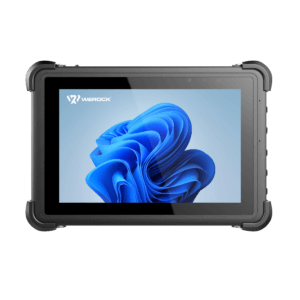
This brings me to my next point, which is that there is a third option looming on the horizon. Windows 8 OS on tablets is going to generate a lot of interest in companies that are planning their tablet device/OS strategy for the future. Both iOS and Android systems have their strong points on phones, and on tablets they are attractive for companies looking to expand their users’ device options (or much more likely, being asked by their users to expand their device options).

However, the things that have been important to IT managers, and probably will be forever, are: management, security, application compatibility and yes, user satisfaction. From my experience with Windows 8 so far, it’s a competent, very usable tablet operating system. This is good news for users because I think a lot of them (the ones who rate tablets at least) are going to be trying one in the fall.

That’s because Windows 8 hit the bull’s-eye on management, security, and application compatibility. IT can manage tablets like other Windows devices (domains, admin rights, etc.), secure them like other Windows devices (security policy, AD schema, etc.) and write applications for them like other Windows devices (as well as run existing legacy applications), all of which make Windows 8 extremely compelling for IT managers. With ease of management, compatibility, and security rolled into one operating system, this might be one of those times when the wait is worth it.

Add a Comment