Mini, Midi, or Maxi – What Size for Tablets at Work?

Posted on by Aaron Goldberg Posted in Enterprise, Mobility Strategy, Tablet Adoption


adoption mobility strategy 2 enterprise As organizations start to take the first steps in providing their employees with tablets for commercial applications and use, a key decision point becomes “what is the optimal screen size?”  With three categories of screen size (7”, 10-11”, and 13”) now common in the market, there are options.  And the choices all have different benefits and tend to lend themselves to certain usage patterns or types of applications.  Combining the user type, the applications, usage patterns, and technical features is essential to making good decisions.

Before we get too far into this discussion, it’s important to understand that in nearly every case, standardizing on a single form factor will probably not be the right way to go.  It may be possible to standardize on one size during the first roll-outs, but once tablet use is wide-spread, it’s very important that size options are presented to the end user community.  Trying to shoehorn all users into a single form factor will provide short-term savings in support and acquisition, but it will breed long-term discontent.

For commercial use, there are some key aspects of the size decision that need to be considered that are different from the consumer approach.  This is primarily due to the applications that are going to be used.

Small Tablets

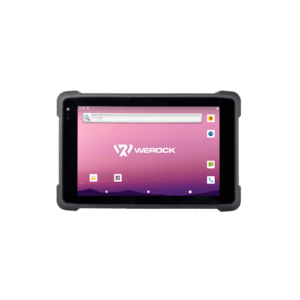
The value of small size tablets for work will be far higher than for the consumer market.  The idea of a pocket-sized tablet (granted it’s a good sized pocket!) that can provide instant email and information access makes much more sense for business applications than for games or other consumer apps.  For tablets at work, where the tablet is an additional device joining a notebook or PC, the 7” devices may be more popular than one might initially think.  In addition, these are “one handed” devices that will be very handy for quick interaction.

Medium Tablets

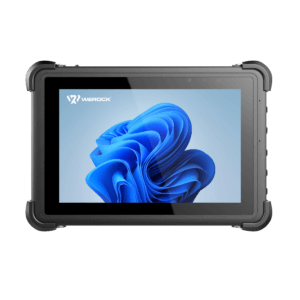
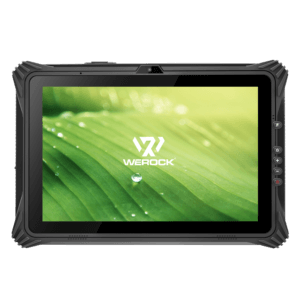
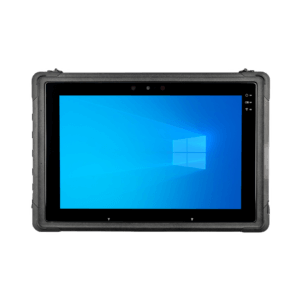
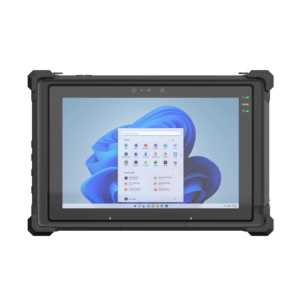
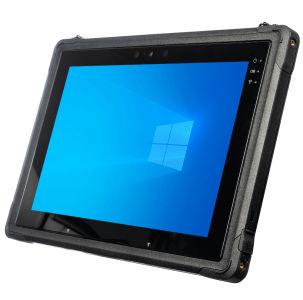
The mid-sized tablets are clearly the most popular size today, and for use at work they will also be the most popular for the first deployments.  Some of this is attributable to the many product options in the 10-11” form factor and end user familiarity with this size tablet.  They are also much smaller than the user’s current notebook.  Longer term, it would not surprise me if we see a move to larger tablet/notebook hybrids and to 7” tablets, with fewer mid-sized devices over time.  Smaller devices have the size advantage; larger devices can replace the notebook.  However, this is a trend that is not happening in the market today, nor is it likely to appear much before 2015.

Large Tablets

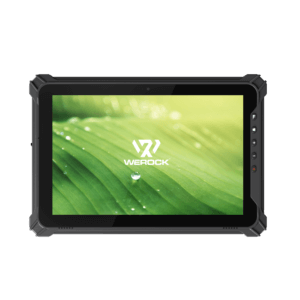
Large sized tablets (13”+) have lowest level of current adoption.  And this is not likely to change, but with Windows 8, the number of “convertible” devices that are both notebook PCs and tablets will increase in the coming years.  The pure tablet in this size range will be niche oriented, serving CAD users, insurance adjusters, and others that need a large screen with touch interface and tablet type mobility.

We are likely to initially follow the consumer trend to mid-sized devices, but this will likely change once we get into the second or third deployments of tablets at work.  The key is to understand your users, their applications, and how the tablet fits into the pantheon of their devices which will include the PC and the smartphone.

2 Responses to Mini, Midi, or Maxi – What Size for Tablets at Work?

  1. Jesslyn Hendrix

    You totally missed the 8-9″ sizes? 

    • AaronGoldberg

      Hi Jesslyn,

      In talking with the tablet vendors, I’m pretty sure that we’ll see mostly 7″ and 10-11″ be where the real volume of devices are.

Add a Comment