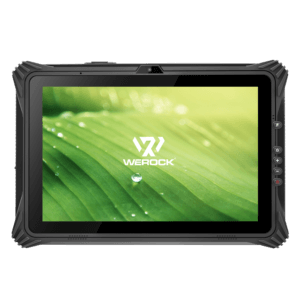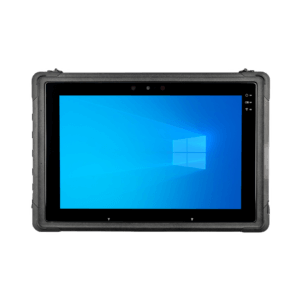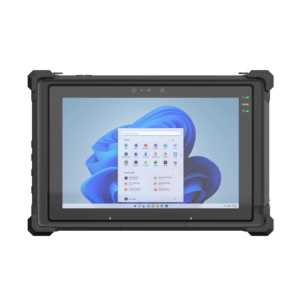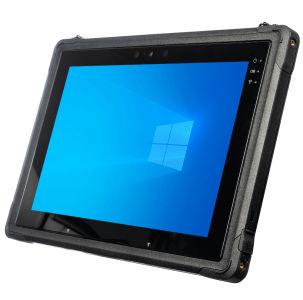
It seems hard to believe, but here we are just about two months into the launch of the newest tablet platform and the new devices that take advantage of it. Windows 8 is creating a substantial buzz in the market, and has been the genesis for some new design types. It has also spawned a new found desire to move to tablet computing among many businesses.
It’s not surprising that given the design point for Windows 8 and the many features it brings for commercial use of tablets that a lot of positive things have happened in just the first 60 days of its market availability. This blog will look at some of the most important events.
Multiple Designs Attract More End Users
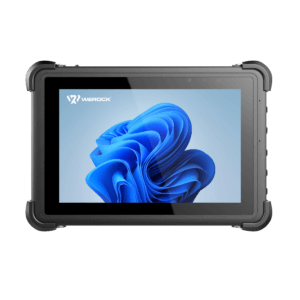
One of the most notable differences between the Windows 8 tablets and the rest of the market is that there is a much greater range of designs and configurations than the essentially “slate only” platforms. This is very important to making these devices more effective for organizations, as different end user requirements are often satisfied by these design options. The vendors have done a good job bringing out a range of devices so quickly. It’s worth noting that many of these categories, especially the pure tablet form factor will see a number of new announcements and some compelling products from vendors such as Lenovo coming after the first of the year.
Windows 8 and Windows RT Differences Create Few Problems
One of the greatest points of whining and hand-wringing by the anti-Microsoft crowd centered on the “vast” perceived differences between Windows 8 and RT implementations. In reality, and having used the two environments, the differences are often overstated. Yes, RT requires specific versions of applications, but with the free Office solution bundled with RT, and the ability to run web based apps, the problems have been few. Where IT pros will have to do some due diligence is around legacy applications that have to run on the PC. These may need updating, or, you can simply run them on a true Windows 8 tablet. And to me, that’s the reason why I think so much of the concern is unfounded, if you have a situation where RT isn’t a good solution, don’t use it. Choose the full Windows 8 tablets instead.
Most Pundits Don’t Understand the Differences between Consumer Tablets and Commercial Tablets
The most basic Google search will find more wrong-headed analysis of the Windows 8/RT tablet launch than one could possibly imagine. Already many are saying that volumes are too low, that adoption is weak, and frankly, compared against Holiday sales of consumer devices, the shipments are low. But, it’s not a consumer centric launch! Just look at the products in the link above, and you’ll see that there is great focus on commercial solutions, and businesses don’t buy like consumers do. This fact appears to be missed by many writers. Commercially focused Windows 8 tablets will see a slow and relentless momentum build as organizations analyze, test, and run trials on the new devices before the volume purchases begin.
My verdict after 60 days of Windows 8 (and RT) tablets is that it’s unfolded about how I expected it to. We’ve seen a number of really cool designs like Lenovo’s Yoga, and there are enough different solutions to cover the broad range of use that will be common in tablets at work. Windows 8 is not going to take the market by storm, but it will continue the trend of long cycle migration as we’ve seen in other Windows versions. The consumer market will start to emerge next year, but the commercial space will drive the interest and attention in the short term.