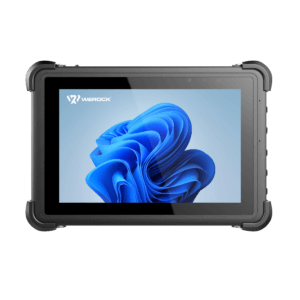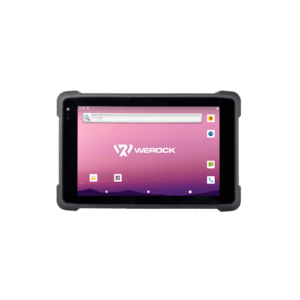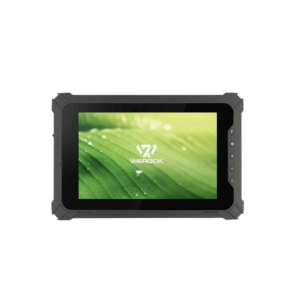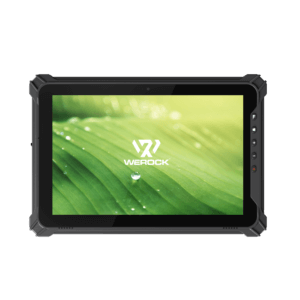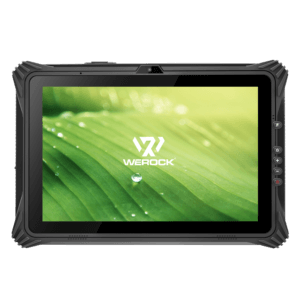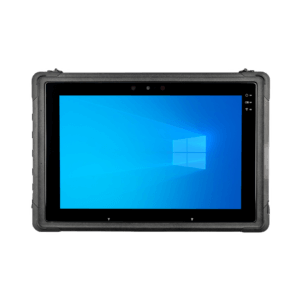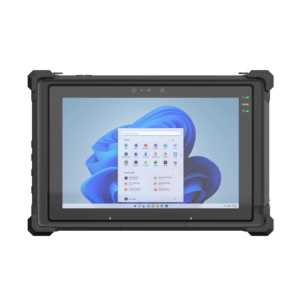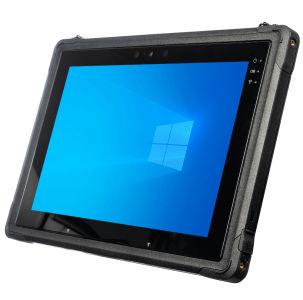
When we start to talk about using tablets in an enterprise, one of the first things that must be understood is that the tablets we all know and love are not industrial-strength designs focused on the needs of a commercial organization. Rather, these are consumer-first products that have real limitations when it comes to using them for business. And this isn’t just a hardware discussion, although there are some key hardware differences.
1. Operating System
The first large difference that has to be addressed is the operating system. And the operating system is dramatically impacted depending on what the tablet is used for. Consumer tablets are for browsing, running little apps, games, and generally “light-weight” work. Read more

Over the many years that PCs have been a key part of the IT infrastructure, most organizations have written their own application software to run on Windows and PCs. This is very common in the larger enterprises, and a surprising number of SMBs have custom versions of existing application platforms like Office or SQL Server that they run on Windows. As would be expected, many of the end users now want to run these applications on tablets.