Originally posted by Dion Hinchcliffe, zdnet.com
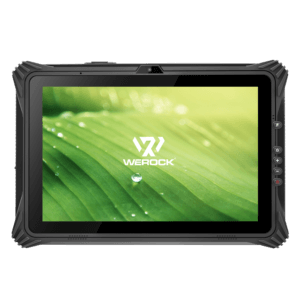
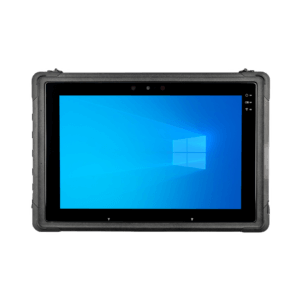
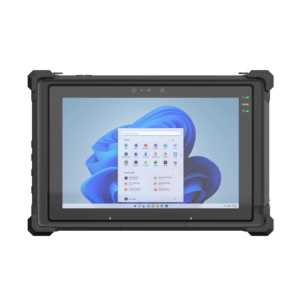
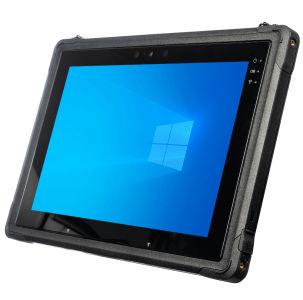
A few weeks ago the IT analyst firm Forrester made what is probably the first major declaration that tablets will soon become the primary computing device for most users, even going so far as to say that they will ‘rule’ personal computing in the near future. While I think the numbers speak for themselves on this, I also believe that many organizations are either unready or unwilling to hear this yet.
Part of the reason for this avoidance is because of the substantial overhaul it will require IT departments to undergo, and major change is invariably painful and difficult. This retooling includes the full gamut of IT responsibilities: Infrastructure, architecture, processes, tools, skills, and governance, right when so many companies are also dealing with many other generational IT disruptions.

The use of tablet computers in K-12 schools is rapidly increasing. And they’re changing the dynamics of the learning environment in significant ways. Their small size enables students to move between learning spaces without difficulty—whether those spaces are in school, at home or elsewhere. And while they are not a replacement for laptops or desktop computers, especially for content creation, they promise to make learning more fun and interactive for young students.