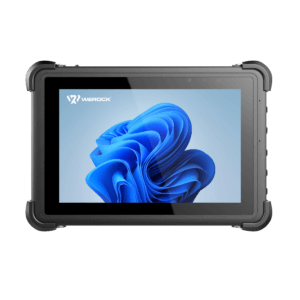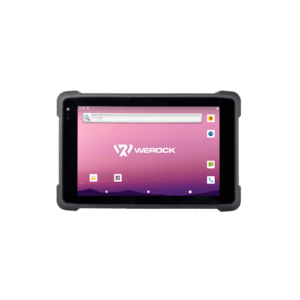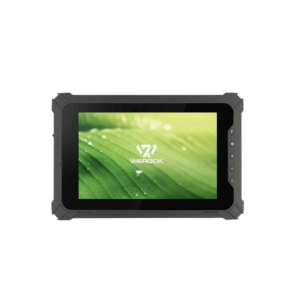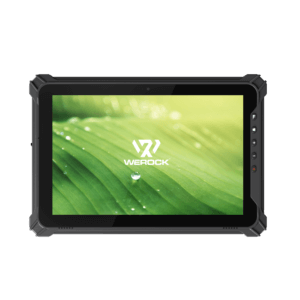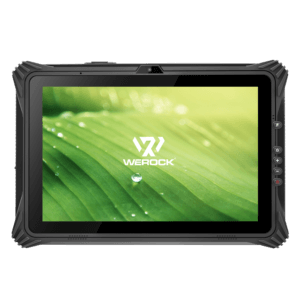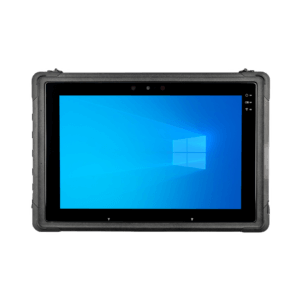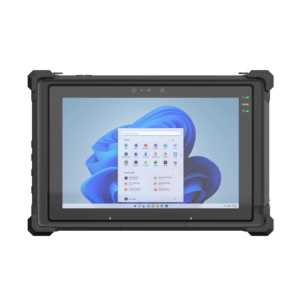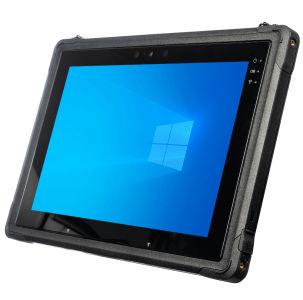
There are so many similarities between the early days of the PC (1978-1982) and this era in the nascent market for tablets. In both cases, the vast majority of purchases in these early days were made by consumers, even if the device was being brought into work. After all, there were no budgets for these new devices, and IT didn’t have any way to manage or deal with them. However, once they started showing up in larger numbers, this approach was no longer valid, and organizations moved to buy and manage them.
It took the PC 4 years to get to this point, but less than half of that for the tablet. And for the commercial tablet, the time has come for organizations to get in front of the wave and start providing employees with tablets, and weaning them from their personal devices. Tout de suite! Read more


Originally Posted by Kevin Beck, Workforce Anywhere
When modern workers move from smartphone to desk phone to IM to email to conferencing—and from desktop to laptop to tablet and back to smartphone again—the conversation can get a bit muddled. But since each medium offers unique capabilities and strengths, none is likely to disappear in the short term. And the BYOD trend—whether contained, discouraged, or cultivated in your organization—surely adds more complexity.